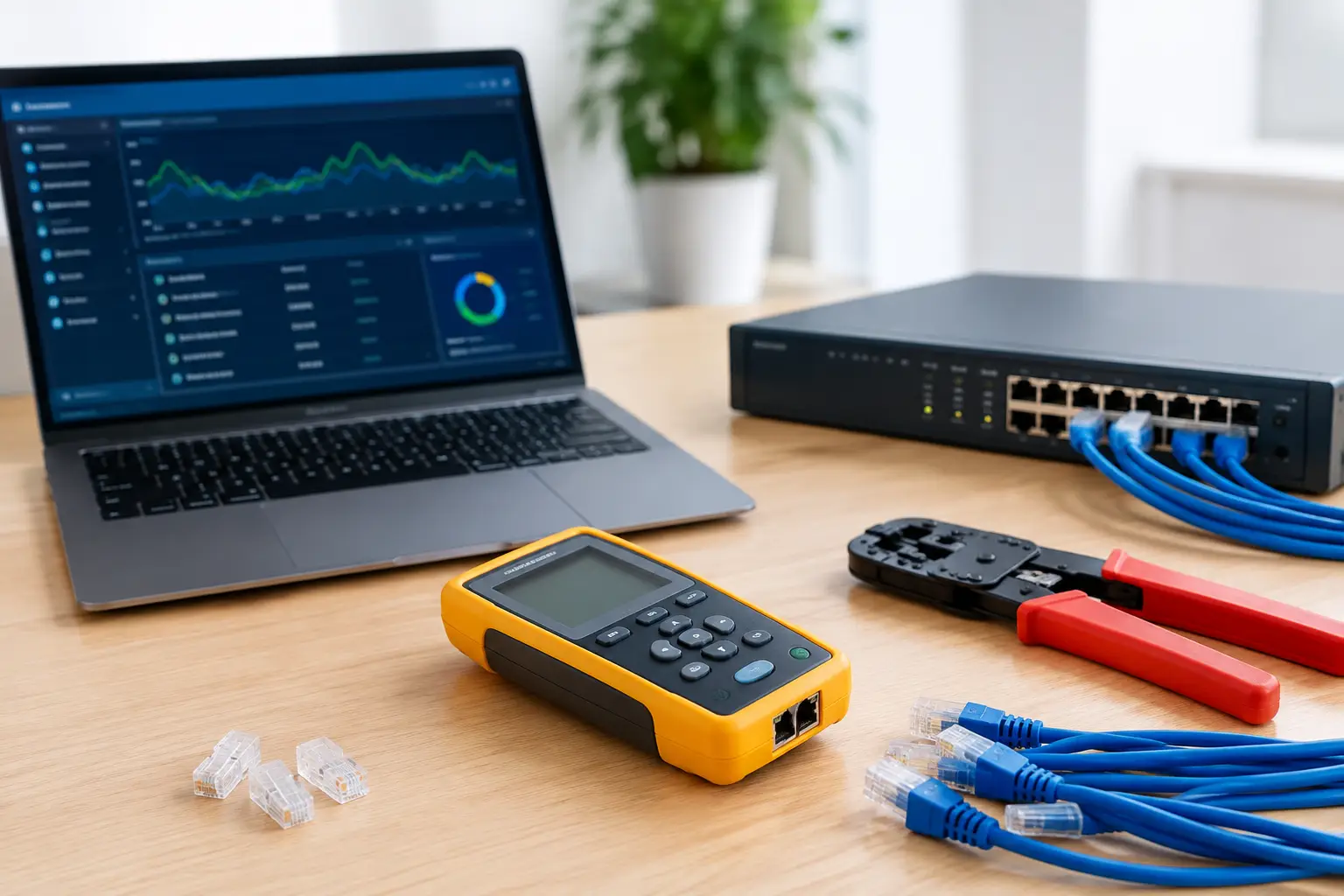
A video call freezes, a game server will not accept connections, or a remote desktop session suddenly fails. The best tools for network diagnostics help you identify where the problem starts: your device, your home router, your ISP, a DNS service, or the remote destination. The right test turns a vague “my internet is down” report into useful evidence. What Network Diagnostic Tools Should Tell You A network diagnostic tool measures or reveals one part of how traffic moves across the internet. No single result tells the whole story. A speed test can show that your download rate is normal
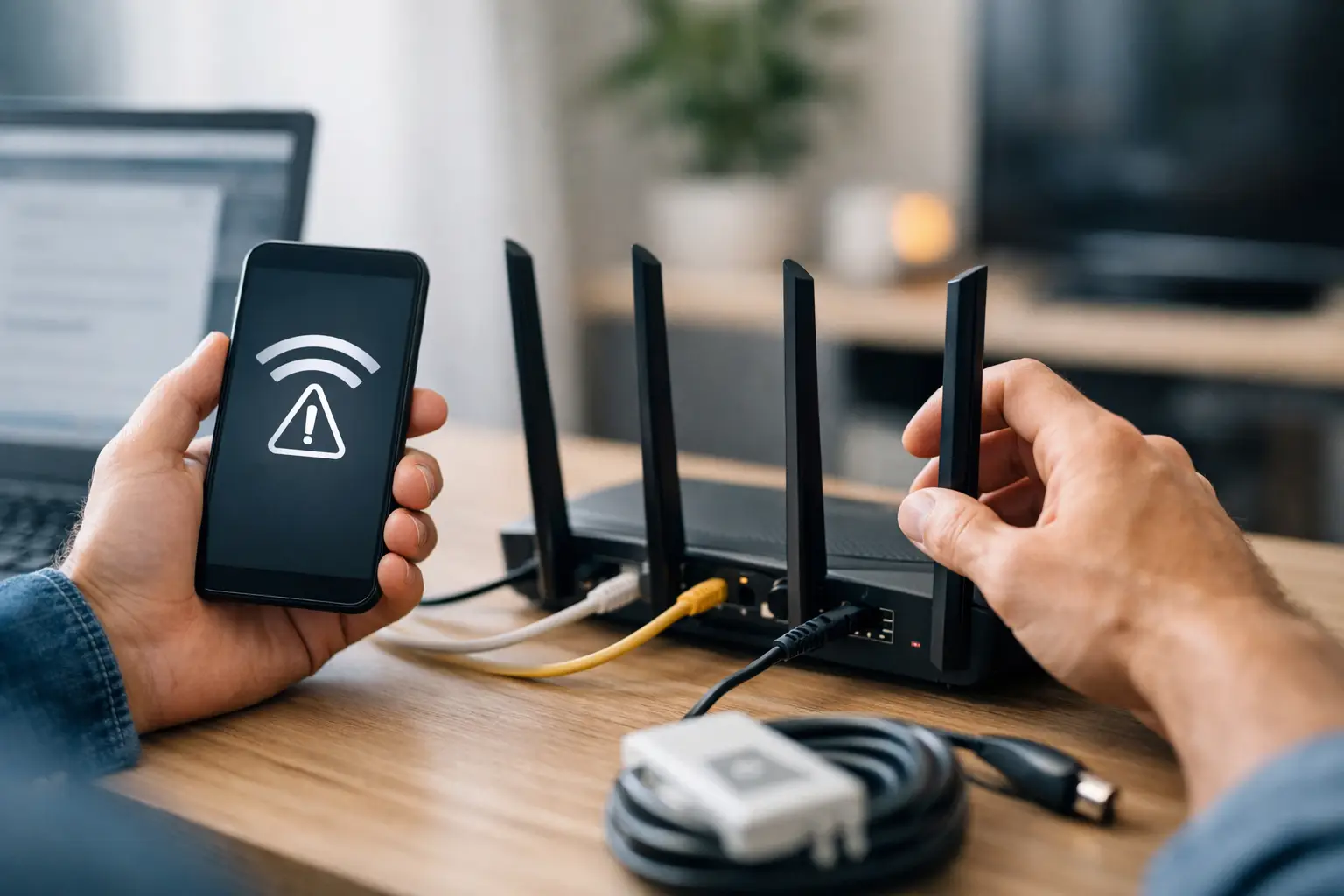
A video call freezes, a game suddenly shows high ping, and the Wi-Fi icon still says you are connected. That combination is frustrating because a connected device is not necessarily connected to the internet. This home network troubleshooting guide helps you identify where the failure actually sits: the device, Wi-Fi signal, router, modem, DNS service, or your ISP connection. The fastest path to an answer is to test one layer at a time. Avoid changing five settings at once or repeatedly restarting equipment without checking the result. A methodical approach preserves useful clues and makes the problem easier to fix.
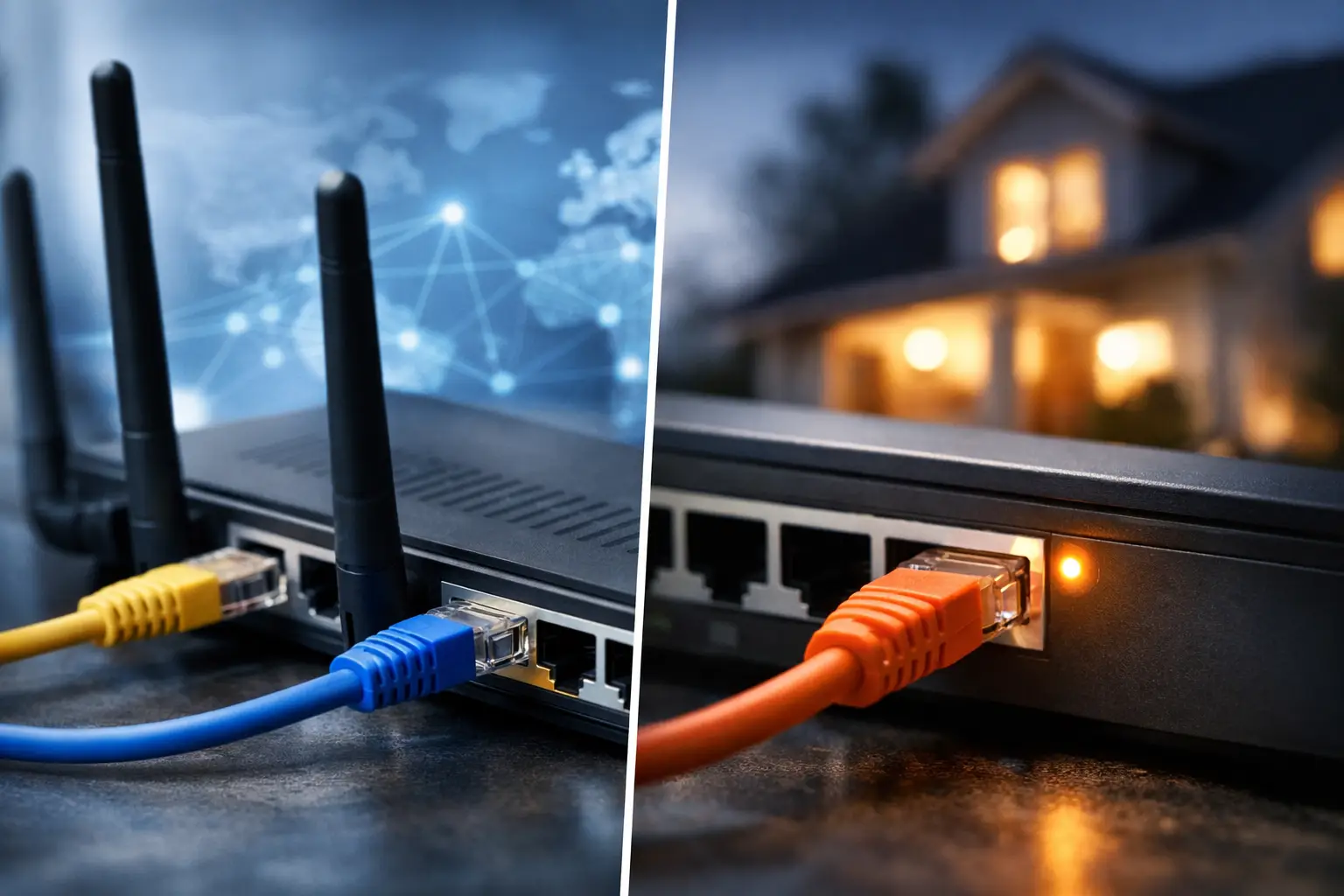
Your game server works perfectly on your home Wi-Fi, but friends outside your house cannot join. Or your remote desktop app is listening on a PC, yet every connection attempt times out. In most cases, the answer is found in NAT versus port forwarding: NAT controls how your router shares one public IP address, while port forwarding creates a specific route from the internet to a device on your network. The distinction matters because opening a port is not the same thing as turning on NAT. NAT is already working on nearly every home network. Port forwarding is an optional
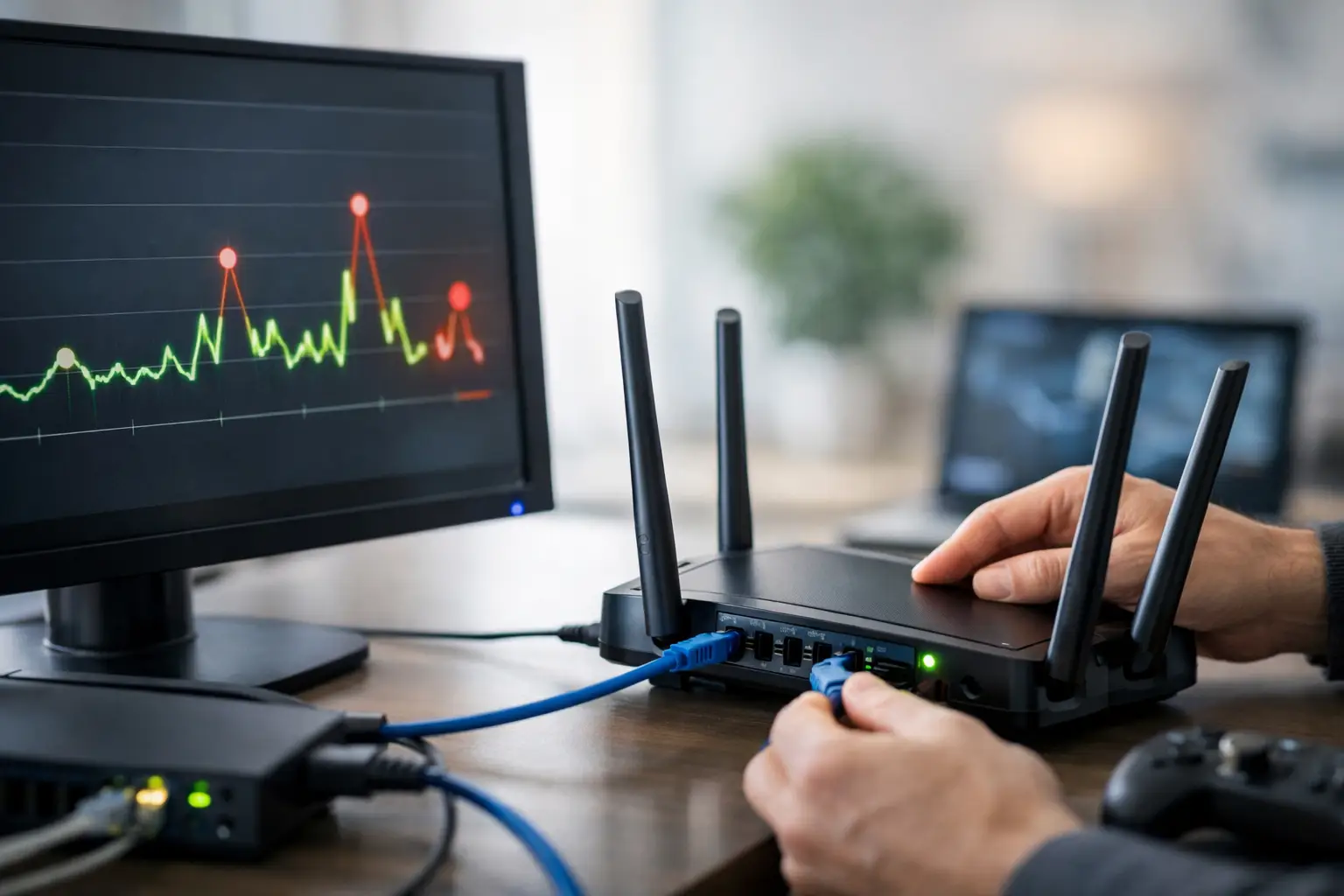
A fast download speed does not guarantee a responsive connection. You can have a 500 Mbps plan and still see delayed shots in a game, choppy voice chat, or lag when controlling a remote desktop. The best ways reduce ping start with identifying where the delay occurs: inside your home network, at your ISP, or farther along the route to the server. Ping is a measurement of latency. It records the time, in milliseconds, for a small packet of data to travel from your device to a destination and return. Lower is generally better, but a stable ping matters almost

Your router may show one address, your laptop may show another, and a website may see a third. That is why knowing how to find external IP information starts with identifying which address you actually need. For remote access, game hosting, port forwarding, and server troubleshooting, the relevant address is usually the public IP visible to the internet. An external IP address is the address your internet connection uses when communicating with sites, services, and devices outside your local network. It is often called a public IP address, WAN IP address, or internet-facing IP. In most home setups, your internet