A website says your public IP address is in Denver, but you are sitting in Boulder. Is the lookup wrong? Not necessarily. The practical answer to how accurate is IP geolocation is that it is usually very good at identifying a country, often useful for identifying a region or metro area, and much less dependable for pinpointing a street address, building, or even the correct city. IP geolocation is a valuable network research tool, but it needs to be read at the right level of precision. It can help identify suspicious login activity, apply regional content rules, troubleshoot a server
An unfamiliar IP address appears in a router log, firewall alert, website analytics report, or email header. Your first question is usually straightforward: who owns this IP address? The answer can help you identify an internet provider, cloud platform, business network, or organization responsible for an address block. It usually cannot identify the individual person using that address at a given moment. That distinction matters. IP ownership research is useful for troubleshooting, security review, server administration, and abuse reporting, but it has clear privacy and technical limits. A WHOIS lookup is designed to show how internet number resources are registered
An IP address location lookup can tell you a surprising amount about an internet connection in seconds: the likely country, region, city, internet service provider, and approximate network coordinates. It is useful when you need to check where a public-facing connection appears to originate, investigate unfamiliar activity, verify a server’s network presence, or confirm that a VPN is routing traffic through the expected area. The key word is approximate. An IP address is more like a routing address for a network than a GPS beacon for a person or device. Location results are valuable for research and troubleshooting, but they
Your router may show several addresses at once: a local address for your home network, a WAN address from your ISP, and possibly an IPv6 address. Knowing how to find router public IP means identifying the address the rest of the internet can use to reach your connection – not just the address your laptop or phone uses inside the house. This distinction matters when you are setting up port forwarding, hosting a game server, configuring remote access, checking a security alert, or troubleshooting why an outside connection cannot reach your network. The fastest check takes seconds, but router settings
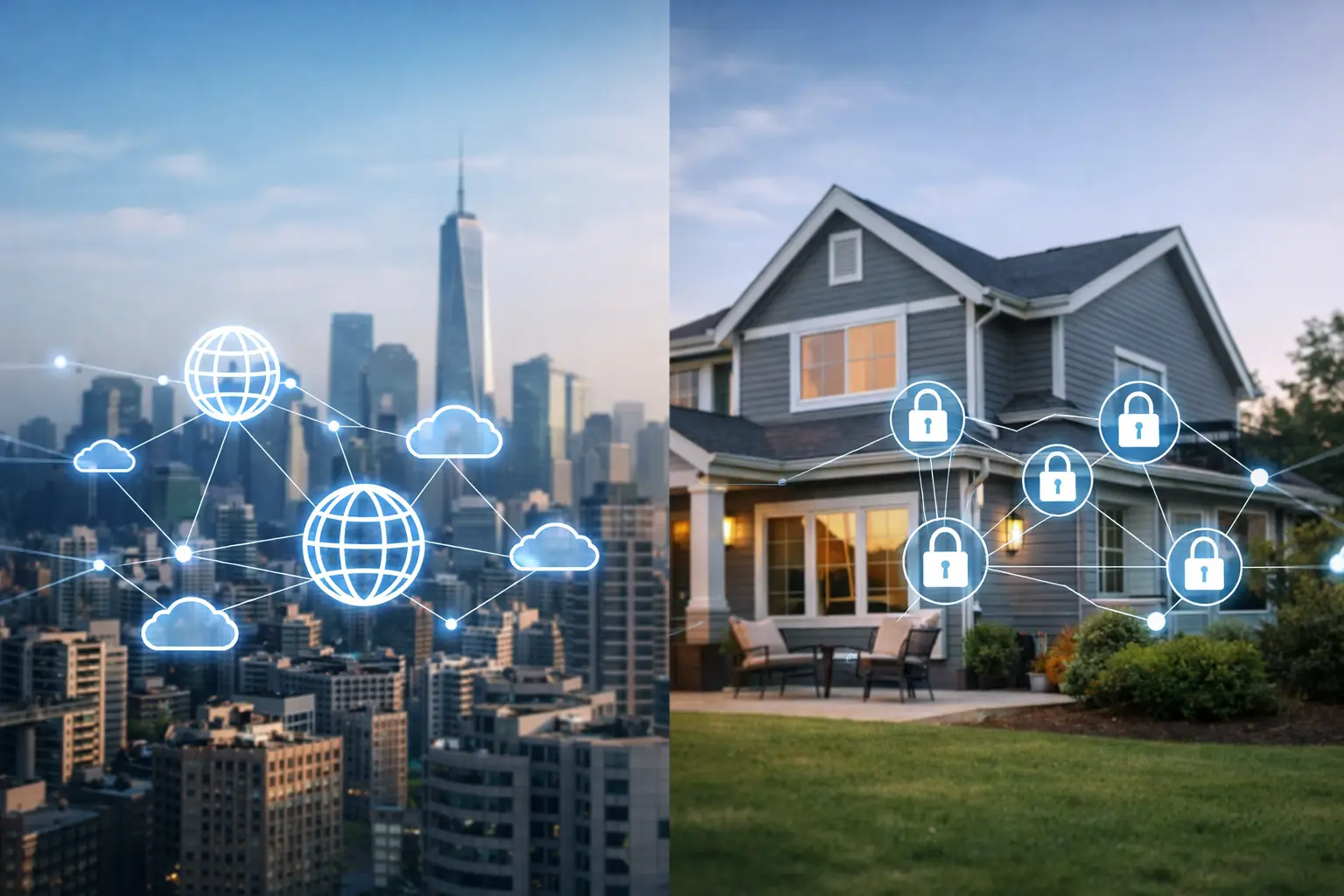
Your laptop may report an address such as 192.168.1.25, while websites see a completely different address when you connect. That difference is the practical point of public versus private IP addresses. One identifies your connection on the internet. The other helps devices find each other inside your home, office, or other local network. Knowing which address you are dealing with prevents common troubleshooting mistakes. It tells you why port forwarding may fail, why a game server cannot be reached, why a work device is visible on Wi-Fi but not from outside the building, and why restarting a router can sometimes