
An IP blacklist can turn a normal connection into a frustrating support ticket. Email may be rejected, a website may block access, or a remote service may refuse a login from your network. Effective IP blacklist removal is not simply asking for an address to be cleared. It starts with identifying which list made the decision, why your public IP was listed, and whether the underlying issue is actually resolved. What an IP Blacklist Means An IP blacklist is a database of addresses associated with activity a service considers risky, abusive, or unwanted. The term is widely used, although many

A speed test can show 500 Mbps download and only 20 Mbps upload, then leave you wondering whether something is wrong. Usually, it is not. Upload versus download speed is a basic distinction in how internet service is designed, and it affects everything from streaming movies to backing up photos, joining video calls, hosting a game, or accessing a computer remotely. The right speed is not just the biggest number on a plan advertisement. It is the amount of bandwidth available in the direction your devices actually need, at the time they need it. What Upload and Download Speed Mean
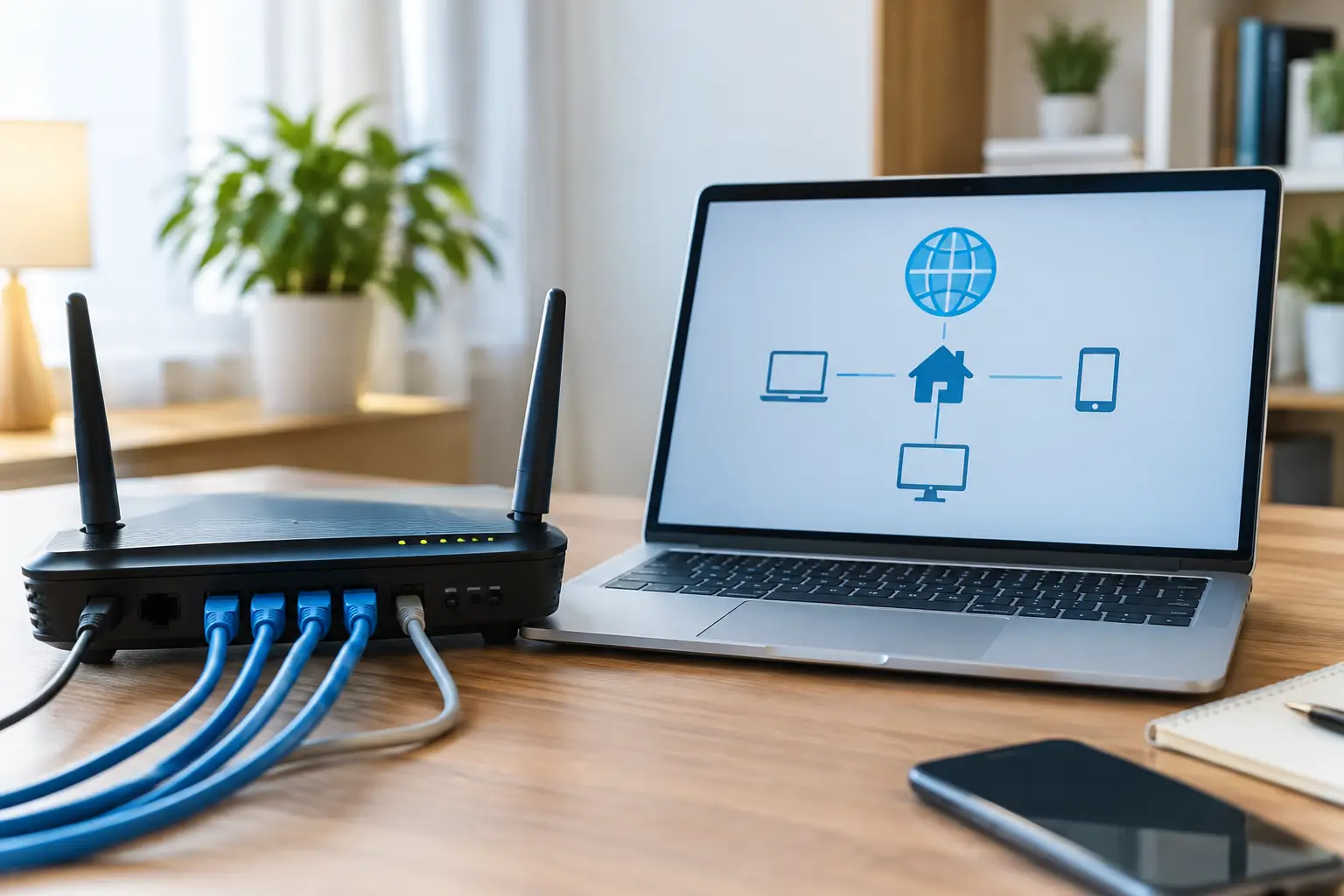
A router can show a local address such as `192.168.1.25`, a subnet mask of `255.255.255.0`, and a public IP address assigned by your ISP – all at the same time. This IPv4 subnet mask guide explains what the mask actually does, how to read CIDR notation, and why it matters when you are setting up devices, opening ports, or tracking down a network problem. What an IPv4 subnet mask does An IPv4 address identifies a device or network interface using four numbers separated by periods. Each number ranges from 0 to 255, so an address might look like `192.168.1.25`. By
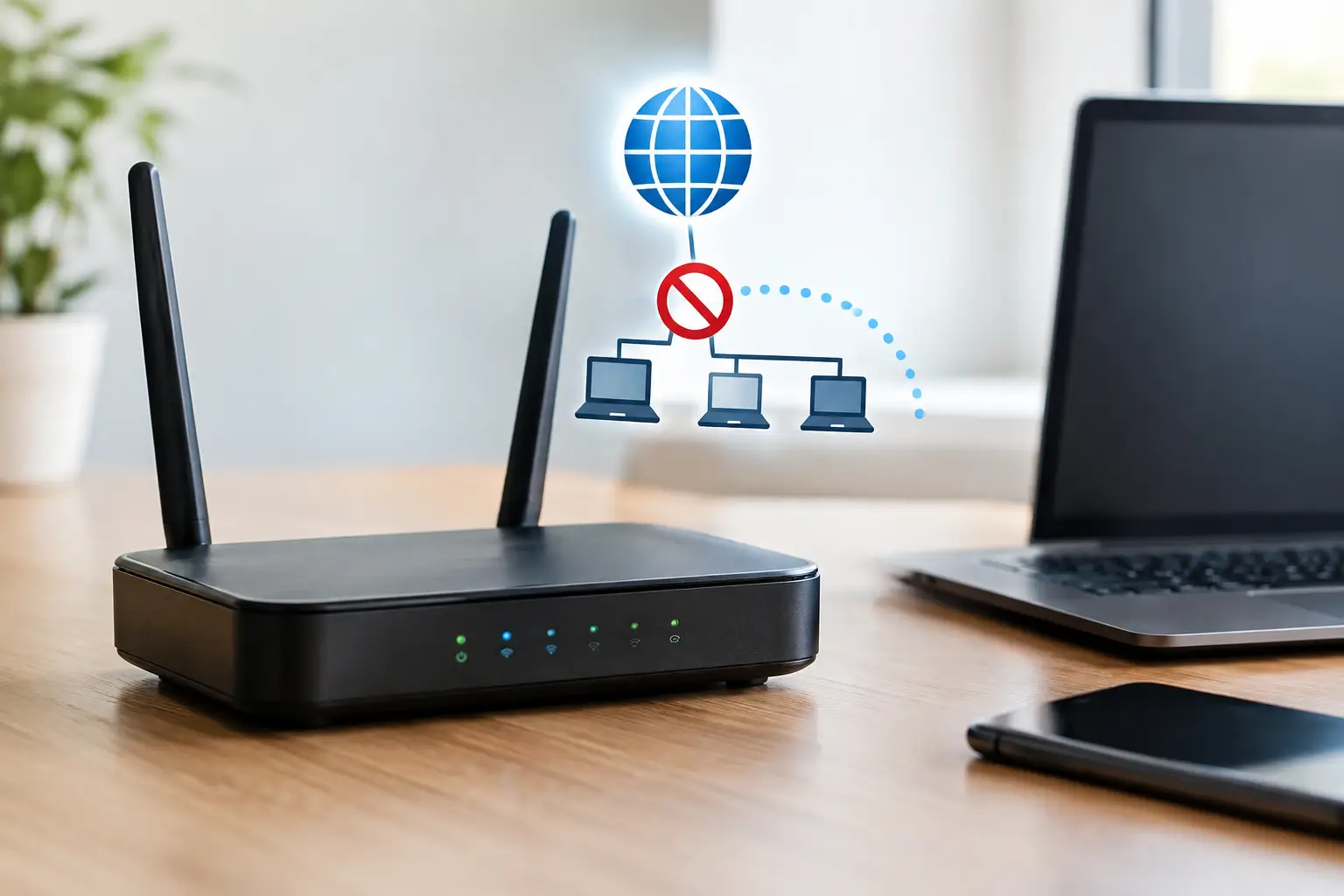
A router NAT CGNAT setup can make your home internet work perfectly for browsing, streaming, video calls, and most online games, while quietly preventing anything on your network from accepting connections from the internet. The usual clue is frustrating: you configure port forwarding correctly, test the port from outside your network, and it still appears closed. The reason is often that your router does not actually control the public IPv4 address. Your internet service provider does. When that happens, port forwarding rules on your router cannot reach your gaming server, security camera, NAS, remote desktop host, or other device from

A video call that freezes when you share your screen, a cloud backup that runs all night, or a game stream that drops frames can make one question very immediate: why is upload slower than download? In most cases, your connection is behaving as designed. Consumer internet plans are commonly built to deliver much more download capacity than upload capacity. That design works well for browsing, streaming video, downloading games, and receiving files. But it becomes frustrating when you need to send data outward – whether that means joining a work meeting, uploading footage, syncing photos, hosting a game server,

A video call that keeps freezing, a game server friends cannot reach, or a remote desktop session that suddenly fails all create the same question: where is the connection breaking? The best free network utilities help answer that question without requiring a software purchase or a complicated setup. The right tool depends on whether you need to confirm your public IP address, measure bandwidth, investigate an unfamiliar address, or follow traffic across the internet. For most home users and small teams, a small set of browser-based tools and built-in operating system commands covers the first round of diagnosis. Start with
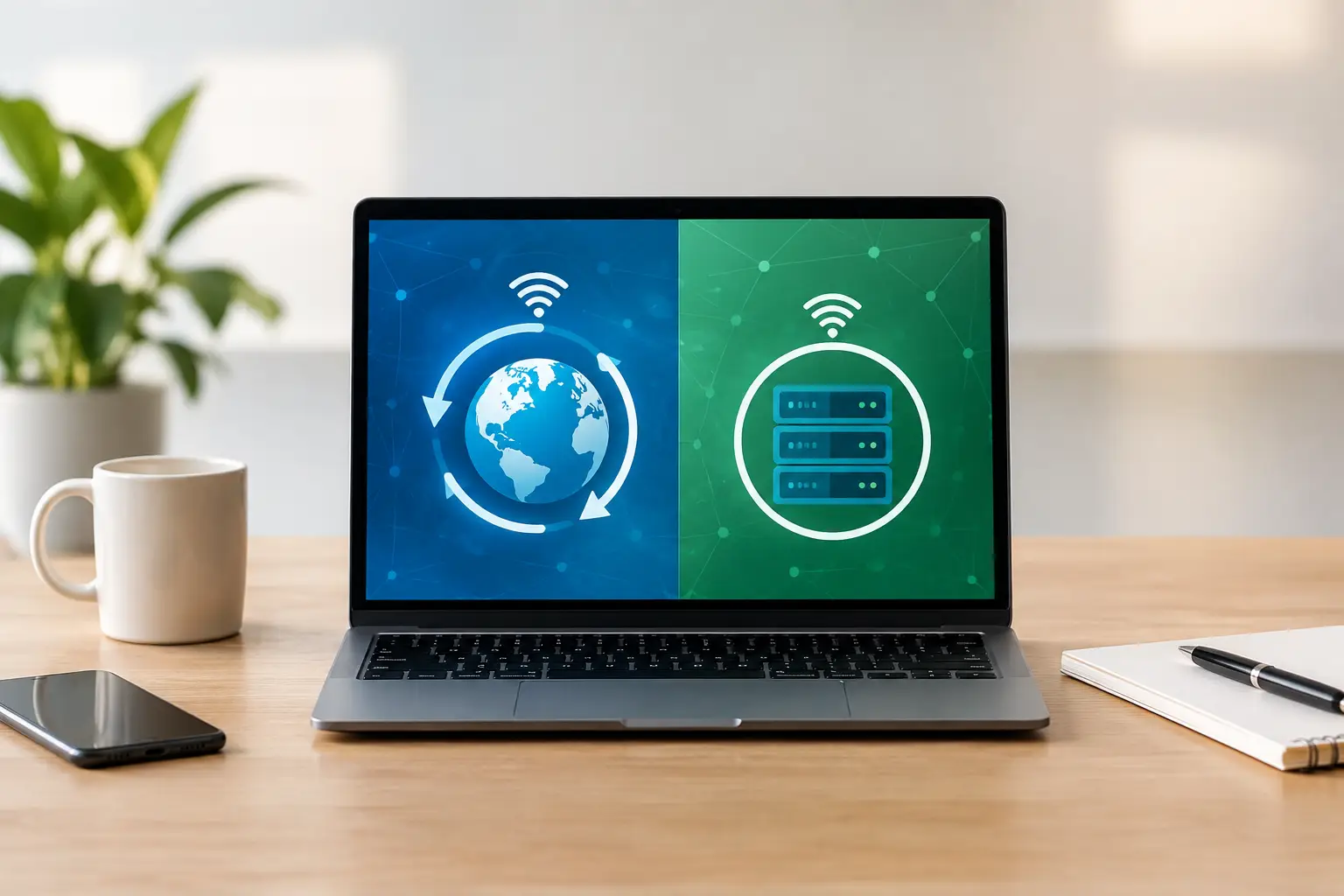
A home server that works one day and disappears the next often has an IP address problem, not a server problem. The choice between a dynamic IP versus static IP determines whether your public-facing address can change and how easily people, devices, and services can find your network from the internet. For most households, a dynamic public IP is normal and completely adequate. For remote access, security cameras, business VPNs, game servers, and self-hosted services, a static IP can remove a major source of uncertainty. The right answer depends on what needs to connect to your network and how much

When you load a page, can websites see IP addresses? Yes. A website needs an IP address to send its response back to your browser, much like a business needs a return address to mail a package. That does not mean the site automatically knows your name, street address, or everything you do online. What a website can see, store, and infer from an IP address depends on its logging setup, the services embedded on the page, and whether you are using a VPN, proxy, or shared network. Understanding that distinction helps you make better decisions about privacy, remote access,
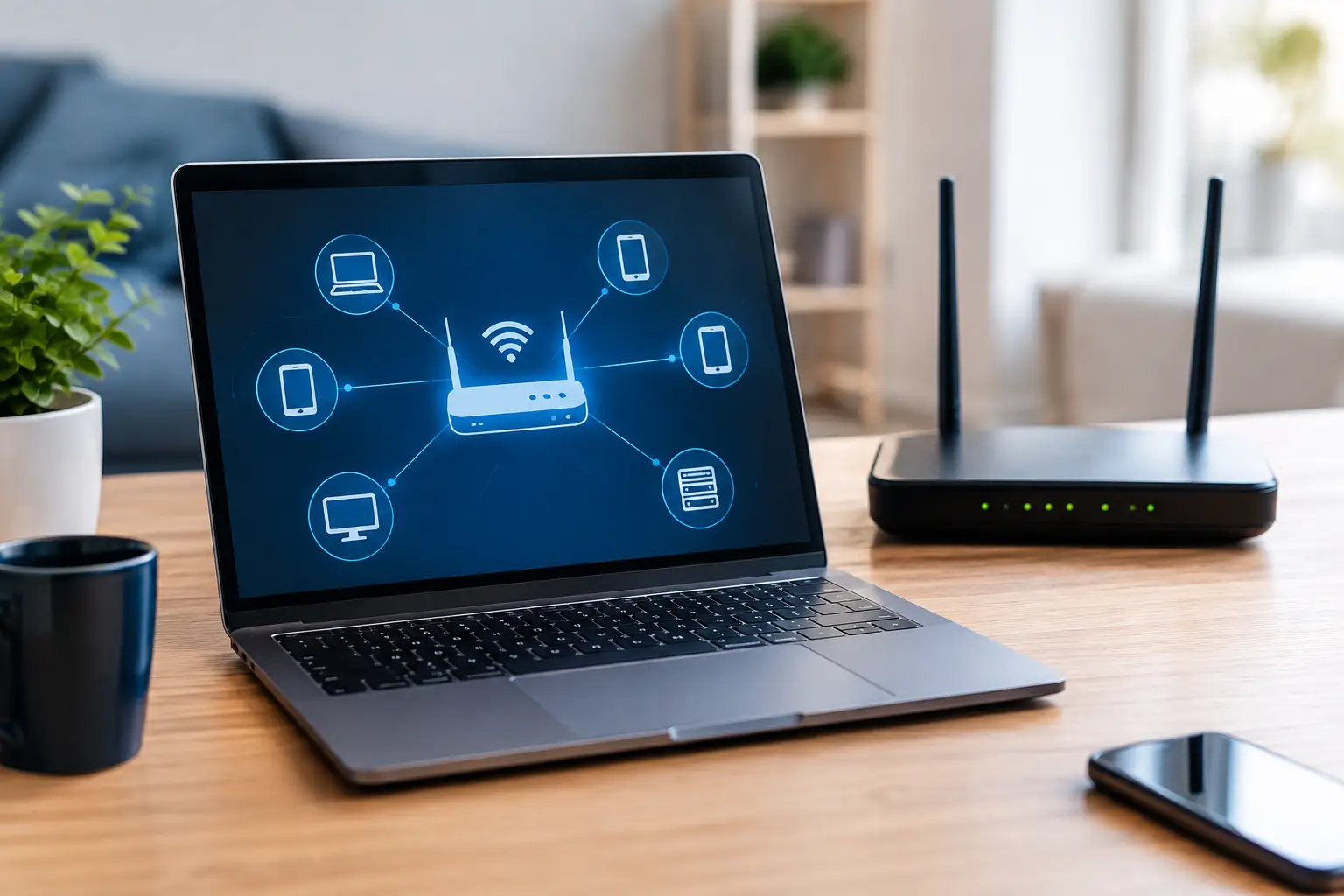
A game server that friends cannot join, a remote desktop session that times out, or a security alert about an exposed service often leads to the same question: how to check open ports. The right test depends on what you are trying to confirm. A port can be listening on your computer but blocked by a firewall, forwarded incorrectly by a router, or unreachable from the public internet. Think of an IP address as a street address and a port as a numbered door at that address. A device can have thousands of possible doors, but only the doors with

An email server can be configured correctly, a home connection can test at full speed, and a public IP address can still create problems. Messages may land in spam, account logins may trigger extra verification, or a new server may be blocked before a visitor sees its first page. In each case, IP reputation may be part of the answer. What Is IP Reputation? IP reputation is a trust assessment assigned to an internet-facing IP address by security systems, email providers, websites, and threat-intelligence services. It reflects observed behavior associated with that address over time. A strong reputation suggests normal,